

Belle Époque (1992), also known internationally as The Age of Beauty, is a Spanish romantic comedy-drama directed by Fernando Trueba. Set in the Spanish countryside in 1931, shortly before the establishment of the Second Spanish Republic, the film tells a charming and unconventional story about love, freedom, and the unpredictability of human relationships.
Starring Jorge Sanz, Penélope Cruz, Ariadna Gil, Maribel Verdú, and Miriam Díaz-Aroca, the movie follows a young soldier who deserts the army and finds refuge at the home of an eccentric painter. There, he encounters the painter’s four beautiful daughters, each with a distinct personality and outlook on life. What begins as a peaceful escape soon develops into a delightful series of romantic complications.
With its warm cinematography, witty dialogue, colorful characters, and playful exploration of love, Belle Époque captures the spirit of a changing Spain. The film received international recognition and won the Academy Award for Best Foreign Language Film at the 66th Academy Awards.
Movie Summary
The story takes place in rural Spain in 1931, during a period of political and social transformation. Fernando, a young soldier serving in the Spanish army, decides to abandon his military duties after losing faith in the institution and the authority it represents. While escaping, he finds himself wandering through the countryside with nowhere to go.
His journey leads him to the home of Manolo, an elderly painter who lives in a beautiful country house. Manolo is a free-spirited intellectual who has little interest in conventional rules and offers Fernando shelter. The two quickly develop a friendly relationship, and Fernando begins enjoying a peaceful existence far removed from military discipline.
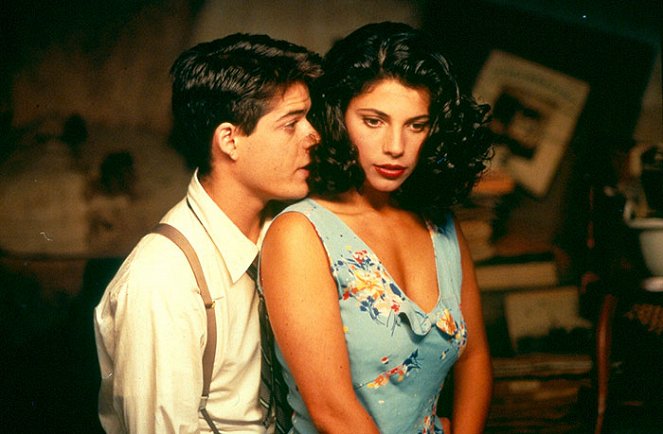
However, Fernando’s quiet life changes dramatically when Manolo’s four daughters arrive for a visit. Violeta, Rocío, Clara, and Luz each possess different personalities, desires, and romantic expectations. As Fernando spends time with them, he finds himself attracted to each daughter in a different way.
Violeta is independent and unconventional, Rocío is romantic and somewhat idealistic, Clara is more mature and emotionally experienced, while Luz is youthful and curious about the world. Their contrasting personalities create a series of amusing encounters and unexpected romantic developments.
Fernando gradually becomes involved in their lives, discovering that affection is rarely as simple as it first appears. The four sisters also begin to develop their own feelings toward him, creating jealousy, competition, and moments of emotional confusion.
Meanwhile, Manolo observes the unfolding romantic chaos with a mixture of amusement and concern. His unconventional philosophy encourages personal freedom, but even he cannot entirely control the complicated relationships developing under his roof.
As the story progresses, Fernando must confront his own feelings and decide what kind of future he truly wants. Against the backdrop of a beautiful Spanish summer, the film explores the pleasures of youth, the freedom to love, and the bittersweet realization that happiness often comes from unexpected places.
Star Cast
Jorge Sanz as Fernando
Jorge Sanz plays Fernando, the young soldier who deserts the army and finds refuge in Manolo’s country house. His character is charming, curious, and somewhat inexperienced in matters of love. Through his interactions with the four sisters, Fernando discovers new possibilities beyond the rigid world he has left behind.
Fernando Fernán Gómez as Manolo
Fernando Fernán Gómez portrays Manolo, an elderly painter and intellectual who provides Fernando with shelter. His relaxed attitude toward life, unconventional beliefs, and affection for his daughters make him one of the film’s most memorable characters. His performance brings warmth, wisdom, and humor to the story.
Penélope Cruz as Luz
Penélope Cruz plays Luz, the youngest of Manolo’s daughters. The character is youthful, curious, and full of romantic imagination. Although this was an early stage in Cruz’s acting career, her appearance in the film became an important part of her journey toward international recognition.
Ariadna Gil as Violeta
Ariadna Gil portrays Violeta, one of the most independent and unconventional sisters. Her character challenges traditional expectations and brings a distinctive perspective to the film’s exploration of love and personal freedom.
Maribel Verdú as Rocío
Maribel Verdú plays Rocío, a romantic young woman whose dreams and expectations create additional complications in Fernando’s life. Her performance adds both humor and emotional depth to the ensemble.
Miriam Díaz-Aroca as Clara
Miriam Díaz-Aroca portrays Clara, another of Manolo’s daughters. Her character contributes to the film’s playful romantic entanglements and highlights the different ways people approach relationships.
Agustín González as Don Luis
Agustín González appears as Don Luis, a supporting character who adds another dimension to the film’s portrayal of Spanish society and its changing values.
What Makes Belle Epoque Worth Watching?
An Unusual and Charming Romantic Story
One of the film’s greatest strengths is its unconventional romantic premise. Rather than focusing on a traditional love triangle, Belle Époque follows a young man who develops connections with four sisters, each offering a different understanding of love and attraction. The resulting situations are humorous, surprising, and occasionally touching.
An Outstanding Ensemble Cast
The movie features an impressive collection of Spanish actors. Fernando Fernán Gómez brings remarkable personality to Manolo, while Jorge Sanz provides an engaging central performance. The four actresses portraying the sisters create a lively ensemble in which every character feels distinctive and memorable.
Penélope Cruz in an Early Career Role
For international audiences familiar with Penélope Cruz’s later performances, Belle Époque offers an opportunity to see one of her early film appearances. Her role as Luz demonstrates the natural screen presence that would eventually help establish her as one of Spain’s most internationally recognized actresses.
Beautiful Spanish Countryside
The film’s rural setting is one of its most attractive features. Its picturesque landscapes, traditional architecture, gardens, and warm summer atmosphere create a nostalgic visual experience. The countryside becomes more than just a backdrop; it represents the freedom and simplicity that Fernando discovers after leaving military life.
A Celebration of Freedom and Individuality
Beneath its romantic comedy lies a deeper exploration of personal freedom. Set during a period of political transformation in Spain, the film reflects changing attitudes toward relationships, sexuality, religion, and social conventions. Manolo’s unconventional lifestyle and his daughters’ different personalities represent a generation questioning traditional expectations.
An Internationally Acclaimed Classic
Belle Époque received widespread recognition and won the Academy Award for Best Foreign Language Film at the 66th Academy Awards in 1994. Its combination of humor, romance, historical atmosphere, and memorable performances has helped it remain an important title in Spanish cinema.
Movie Details
| Detail | Information |
|---|---|
| Original Title | Belle Époque |
| English Title | The Age of Beauty |
| Release Year | 1992 |
| Genre | Comedy, Drama, Romance |
| Director | Fernando Trueba |
| Screenplay | Rafael Azcona |
| Main Cast | Jorge Sanz, Fernando Fernán Gómez, Penélope Cruz, Ariadna Gil, Maribel Verdú, Miriam Díaz-Aroca |
| Runtime | 109 minutes |
| Language | Spanish |
| Country | Spain |
| Cinematography | José Luis Alcaine |
| Music | Antoine Duhamel |
| Production Company | Fernando Trueba Producciones Cinematográficas |
| Awards | Academy Award for Best Foreign Language Film (1994) |
Where to Watch Belle Epoque (1992)
Belle Époque is an acclaimed Spanish film that may be available through selected classic cinema streaming services and digital movie rental platforms. Its availability varies depending on the country and regional distribution agreements.